click on a photo to view hi-res image :: click on a label to open all related posts
Showing posts with label [ honeyeater ]. Show all posts
Sunday, December 27, 2009
Saturday, December 5, 2009
Photographic memory: New Holland Honeyeater (20)
click on a photo to view hi-res image :: click on a label to open all related posts
Friday, December 4, 2009
Photographic memory: Little Wattlebird
click on a photo to view hi-res image :: click on a label to open all related posts
Monday, November 30, 2009
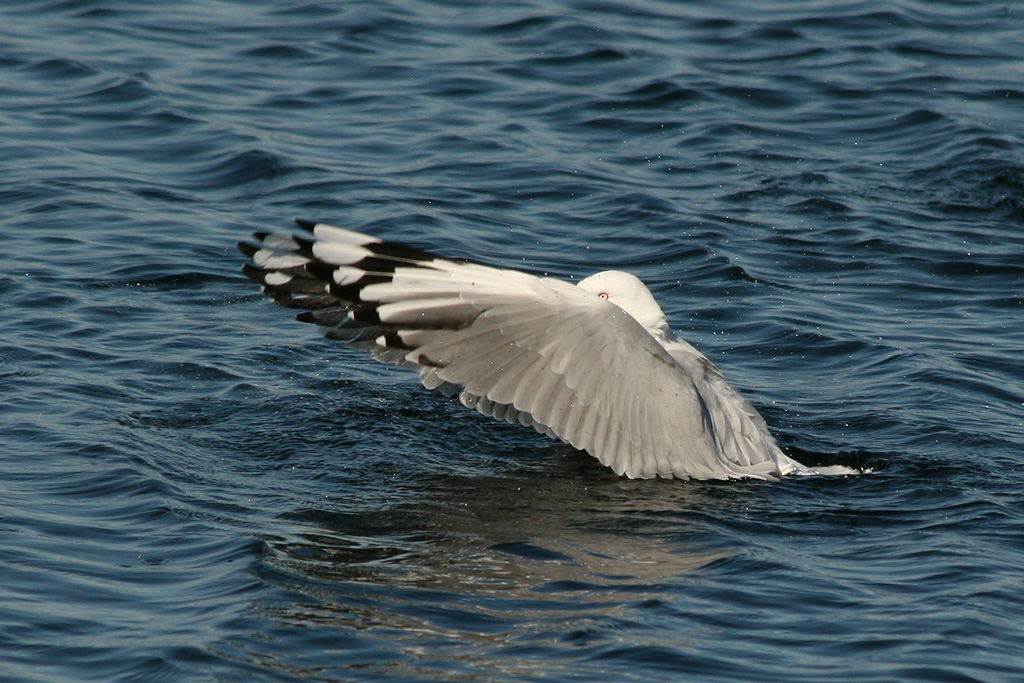
Little Wattlebird and other random images
As we steadily progress towards the final post in this bloG, I'm trying to go through all my old photos and find any images from the last year that are worth posting.


click on a photo to view hi-res image :: click on a label to open all related posts
labels:
[ gull ],
[ honeyeater ],
[ lizard ],
[ lorikeet ],
[ parrot ],
[ reptile ],
Blackbird (Turdus merula),
Eastern Water Dragon (Physignathus lesueurii lesueurii),
Little Wattlebird (Anthochaera chrysoptera),
Musk Lorikeet (Glossopsitta concinna),
New Holland Honeyeater (Phylidonyris novaehollandiae),
Silver Gull (Chroicocephalus novaehollandiae)
Tuesday, November 24, 2009
Lewin's Honeyeater
click on a photo to view hi-res image :: click on a label to open all related posts
Wednesday, November 18, 2009
New Holland Honeyeaters
Friday, November 6, 2009
Photographic memory: Black-headed Honeyeater
On 25 Dec 2008, early in the morning I went to Knocklofty for a walk. I knew there wouldn't be many people and the birds would do their usual morning routines. I spotted some rarer species that day, but didn't get many good photos. A series of such is this busy Black-headed Honeyeater feeding its two newly-fledged chicks. They didn't really pay much attention to me, but no matter how I tried to move around, there were always leaves and branches between them and the lens...click on a photo to view hi-res image :: click on a label to open all related posts
Sunday, September 20, 2009
The window
The apartment I live in at the moment is on the fifth floor, but the building is on a hill. That's why the view out of the window is quite spectacular. During clear days I can even see the silhouettes of Blue Mountains, or at least that's what I think they are.I don't feed birds too often, but every now and then when I realize that there is excess in the supply of bananas, grapes or oranges, I get helpers on board.


click on a photo to view hi-res image :: click on a label to open all related posts
Thursday, August 27, 2009
Noisy M -- brave, aggresive and loud!
We all know that Noisy Miners are sociable, brave, territorial and aggressive. But how brave exactly? Photos like this one show something more than the standard 'squeak! squeak!'-and-fly-away behavior. This little bird was chasing two big Ravens high in the sky and for a long distance. I can only speculate on whether the Ravens had previously threatened or raided Noisy M's nest, but it is a fact that agility, braveness and support among family/community members make them a very successful species.
I wish I had more time to just watch the sky with a camera in hands. A lot of interesting action is going on there all the time. I also wish this image had less noise. Tried to remove some of it, but with very limited success...
click on a photo to view hi-res image :: click on a label to open all related posts
Wednesday, May 27, 2009
Three predators
Three different birds in one afternoon decided to demonstrate how they catch and eat their prey. All this only a couple of meters away from me and the camera. At times I thought that somehow I have become invisible.
There are quite many images in the Heron series, but unfortunately he caught the fish facing away from the camera. I could have asked for a second take, I guess...
By the time this Kookaburra caught her worm the sun was very low and the light was insufficient. I had to lower the shutter speed to get decent exposure and the moving parts got blurry. Still, I decided to publish the last image as it shows certain expression.
click on a photo to view hi-res image :: click on a label to open all related posts
Monday, February 23, 2009
More Brushes :D
The wildlife photographer should be always ready to use unexpected opportunities. I was looking at a group of White Cockatoos, having the camera set for ultra bright high-contrast targets, when this curious Little Wattlebird came close to inspect me. It was very unexpected, but apparently my reaction has been quite adequate as I got some nice crisp correctly-exposed images. As you know with Wattlebirds, they never stay long in one place, so it was all very quick. The nicest surprise was the second photo, illustrating the end of the inspection. The focus is just right and the moment is beautifully frozen.
click on a photo to view hi-res image :: click on a label to open all related posts
Tuesday, February 17, 2009
Brush Wattlebirds
According to my field guide there is difference between Brush and Little Wattlebirds. Little have red eyes. I have never seen Little and, I guess, some Tasmanian bloggers call the Brush Wattlebird a Little Wattlebird by mistake.
click on a photo to view hi-res image :: click on a label to open all related posts
[edit - 19 Feb 2009] My curiosity was triggered by Gouldiae's comment below, so I decided to do some research online about the name of this and the other Wattlebird. Here is what Wikipedia says on the matter: "The Little Wattlebird (Anthochaera chrysoptera), also known as the Brush Wattlebird, is a honeyeater, a passerine bird in the family Meliphagidae. It is found in coastal and sub-coastal south-eastern Australia. It was formerly lumped with the Western Wattlebird (Anthochaera lunulata), which is restricted to Western Australia."
In my field guide (Slater Field Guide) the Anthochaera chrysoptera is called Brush Wattlebird, while the Anthochaera lunulata is called Little Wattlebird. I think my field guide is wrong in this case, so my argument at the beginning of the post is wrong too.
Little and Brush are the same, while there is a separate species called Western Wattlebird which has the red eye. I found a good photo illustrating this.
In my field guide (Slater Field Guide) the Anthochaera chrysoptera is called Brush Wattlebird, while the Anthochaera lunulata is called Little Wattlebird. I think my field guide is wrong in this case, so my argument at the beginning of the post is wrong too.
Little and Brush are the same, while there is a separate species called Western Wattlebird which has the red eye. I found a good photo illustrating this.
Tuesday, February 10, 2009
I needed a macro lens!
I was hiding under a shelter from the drizzle while trying to photograph a Magpie. My bag was on a bench next to me when suddenly I realized a sticky beak was around :D LOL, it was too close for my telephoto lens to get a good focus. And I didn't have time to step back.
click on a photo to view hi-res image :: click on a label to open all related posts
Sunday, February 8, 2009
Yellow-throated Honeyeater
There were some beautiful small birds among the Wallabies yesterday. This Yellow-throated Honeyeater was curious to investigate what the cameras were and came quite close to have a look.click on a photo to view hi-res image :: click on a label to open all related posts
Thursday, January 8, 2009
Yellow Wattlebird
Even though they are quite common here, Yellow Wattlebirds are so restless and hard to photograph that I have to live with photos like the two below if I want to have some of them 'visit' this blog. I just haven't had luck with them at all :( The first picture shows a young bird looking at its mum and the second one shows the mum just finished feeding it - all from the wrong angle.
click on a photo to view hi-res image :: click on a label to open all related posts
Subscribe to:
Posts (Atom)


